
Ethical Non-Monogamy and Polyamory in Clinical Supervision: What Therapists Need to Know
ENM and polyamorous clients are on your caseload whether you know it or not. What supervision needs to address, and why mononormativity is a clinical competency issue.
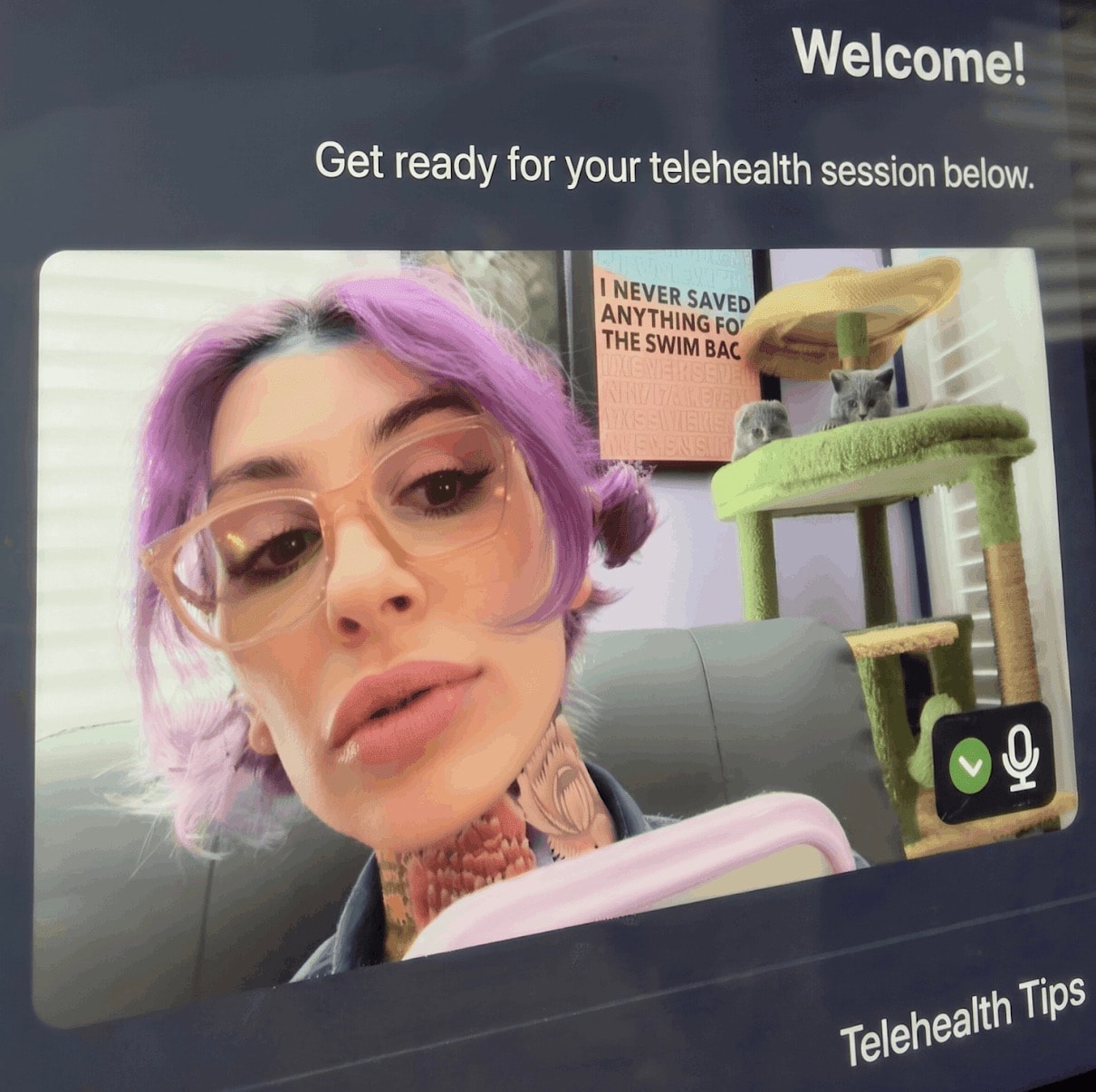 By Mx. Love C. Dialogos, LMFT · AAMFT Approved Supervisor
Research estimates suggest that around four to five percent of adults in the United States are currently in some form of consensual non-monogamy, and roughly one in five has been at some point. The numbers are higher in LGBTQ+ populations. If you carry a caseload of any size, you almost certainly have ENM or polyamorous clients, whether they have told you or not.
Most clinical training programs do not cover this, and most supervision does not address it. The result is a competency gap that affects real clients.
This post covers what that gap looks like and what supervision needs to do about it.
What We Mean by ENM
Ethical non-monogamy is an umbrella term for relationship structures in which everyone involved has explicitly agreed that the relationship is not sexually or romantically exclusive. It includes:
- Polyamory: multiple romantic and/or sexual relationships at the same time, with the knowledge and consent of everyone involved
- Open relationships: a primary partnership that permits sexual or romantic connections outside the dyad
- Relationship anarchy: a philosophy that rejects hierarchical labels and lets each relationship define its own terms
- Swinging: recreational sexual activity outside a primary partnership, usually with less emphasis on emotional connection
- Solo polyamory: multiple relationships without a primary partner or shared domestic life
These structures have different relational dynamics and different stressors, and they present differently in therapy. Treating them as interchangeable is its own form of incompetence.
Mononormativity as a Clinical Bias
Mononormativity is the assumption, often unconscious, that monogamy is the natural and default relationship structure, and that any departure from it needs explaining or points to something else.
In clinical practice, mononormativity shows up in ways that are easy to miss:
Intake forms that assume a single partner. When your intake paperwork asks about "your partner" (singular), or the relationship status field has no option for polyamorous or ENM clients, you are already telling clients whose relationships are legible in your practice.
Treating relationship structure as the presenting problem. When a polyamorous client presents with anxiety, a mononormative clinician may locate the anxiety in the relationship structure instead of looking at the actual sources of stress. The hidden hypothesis becomes: if they were monogamous, they would not be anxious. That is a values judgment dressed up as a clinical hypothesis.
Pathologizing jealousy in ENM relationships. Jealousy happens in every relationship structure. In ENM relationships it is often worth exploring as a signal about attachment needs or agreements that aren't working, or about the gap between what someone thought they wanted and what they feel. It is not evidence that the structure is wrong.
Defaulting to couples frameworks that assume a dyad. Standard couples therapy models such as Gottman, EFT, and Imago were developed for two-person relationships. They can be adapted for ENM configurations, but adapting them takes intention. A dyadic framework applied to a triad or a polycule without modification will distort assessment and weaken intervention.
Assuming non-monogamy is a symptom of an attachment problem. This one is worth naming directly, because it appears in clinical literature and in supervision more often than it should. ENM is not a symptom of avoidant attachment or fear of commitment. Some people with insecure attachment choose ENM, and so do some people with secure attachment. Relationship structure and attachment style are independent variables.
What Supervision Needs to Address
For supervisees working with ENM and polyamorous clients, supervision needs to do things general supervision often skips.
Name and examine mononormative assumptions
The first task is awareness. Supervisees who have not examined their own assumptions about relationship structure will bring them into the room, often without realizing it. Supervision is where that examination happens.
Useful supervisory questions include: What was your reaction when the client disclosed they are polyamorous? What did you assume about the presenting problem before you knew the relationship structure? How did knowing about the ENM configuration change your clinical hypothesis, and was that change warranted?
Build structural competency
Supervisees need enough knowledge about ENM structures to work competently with clients in them. That doesn't mean becoming an expert in every configuration. It means knowing enough to ask good questions, avoid common misreadings, and recognize when a client's relationship structure is clinically relevant and when it isn't.
It also means being able to tell a relationship structure that is working from one that isn't, without starting from the assumption that non-monogamy is inherently unstable.
Address the disclosure question
Many ENM clients do not disclose their relationship structure to their therapist. Experience has taught them that disclosure often turns the relationship structure into the focus of treatment and pushes the actual concern aside. Many have been pathologized or handed unsolicited opinions about their choices.
Supervision can help supervisees create conditions where disclosure is more likely. ENM doesn't need to be disclosed for therapy to work, but a client managing a significant part of their life in secret from their therapist is spending effort that could go elsewhere.
That starts with intake materials that signal inclusion and language that doesn't assume monogamy. It is sustained by a clinical stance that gives every relationship structure the same quality of care.
Know when to refer
Not every clinician needs deep expertise in ENM-affirmative therapy. Every clinician does need to know when their own limits are affecting a client's care, and how to refer without implying that the client's relationship structure is the problem.
A referral that says I think you would benefit from working with someone who has more experience with polyamorous relationships is different from one that says I'm not comfortable with this. The first is a clinical judgment. The second is a values statement the client should not have to absorb.
The Overlap with Queer-Affirming Practice
ENM and polyamory are not exclusively queer, but they are disproportionately represented in LGBTQ+ communities, particularly among bisexual, pansexual, and queer-identified people, and among trans and nonbinary people. The competencies needed for ENM-affirmative practice overlap heavily with those needed for queer-affirming practice.
Both ask the clinician to examine their own assumptions about what makes a relationship healthy. Both ask for enough knowledge about the community and its specific stressors to work effectively, and a stance that treats the client's identity and relationship structure as ordinary.
Supervision that addresses one without the other leaves something on the table.
A Note on Values
Clinicians sometimes frame discomfort with ENM as a values difference rather than a competency gap. That framing deserves scrutiny.
The AAMFT Code of Ethics prohibits discrimination based on relationship status. A clinician who cannot work with ENM clients without pathologizing their relationship structure has a competency issue. The values question is whether the clinician personally chooses non-monogamy. The competency question is whether they can provide ethical, effective care to clients who do.
Supervision is where that distinction gets made, and where clinicians build the self-awareness and skill to give these clients the care they deserve.
Looking for supervision that addresses ENM, polyamory, and queer relational structures with real competency? Explore supervision services or reach out to connect. For clients seeking queer-affirming therapy, visit Love Psychotherapy.
Explore Topics
Written by
Mx. Love C. Dialogos
Mx. Love C. Dialogos (they/them) is a queer, genderless womxn, Licensed Marriage & Family Therapist, and AAMFT Approved Supervisor offering queer-affirming clinical supervision for LMFT-Associates across 15 U.S. states via telehealth. They write about queer-affirming clinical practice, supervision, and the intersection of Buddhist Psychology and therapy.

