
How to Choose a Queer-Affirming MFT Supervisor
A queer-affirming MFT supervisor is more than someone who does no harm. Look for supervision that prepares you for the work you want to do and lets you be yourself while doing it.
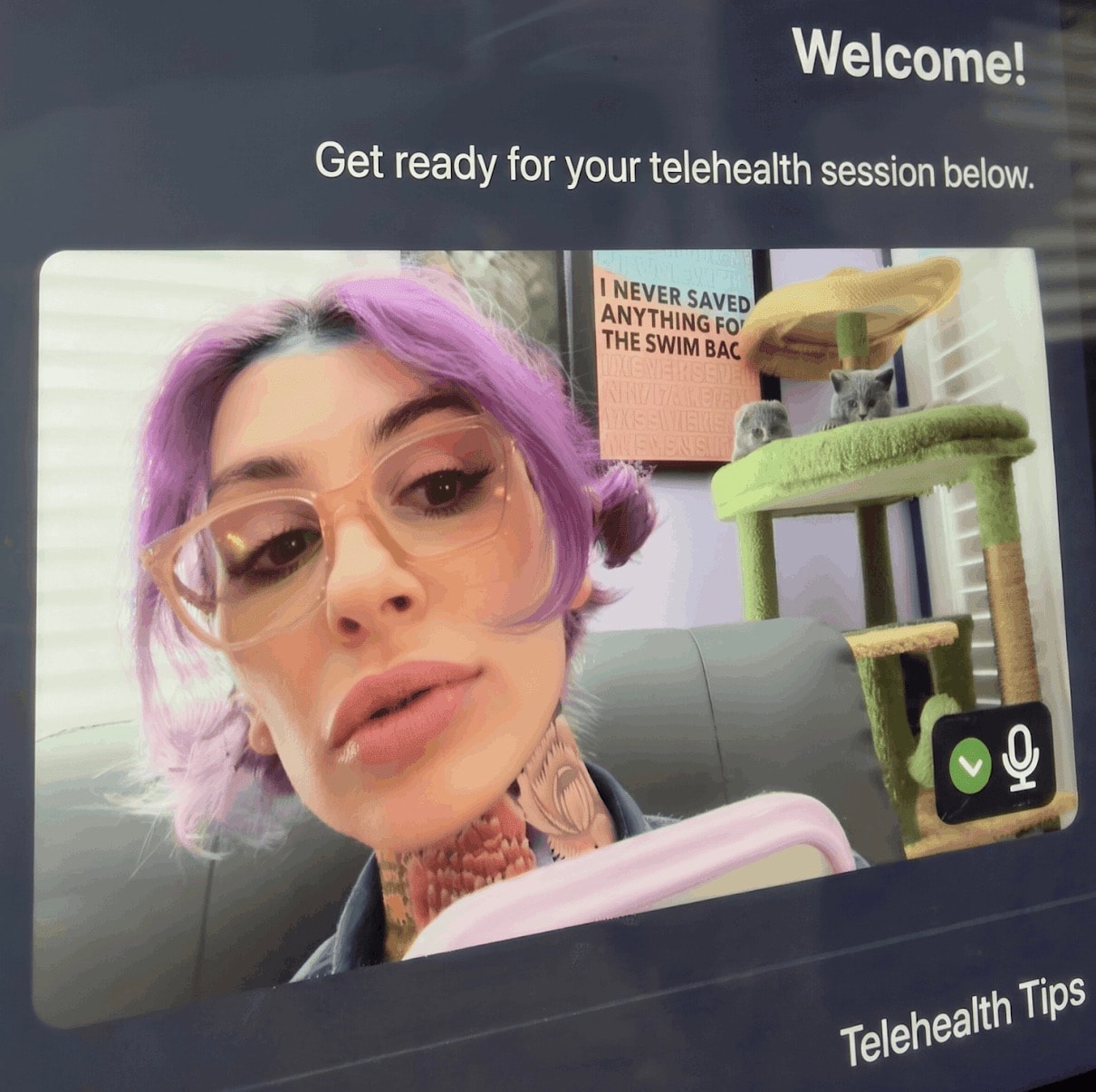 By Mx. Love C. Dialogos, LMFT · AAMFT Approved Supervisor
Choosing a clinical supervisor is one of the most consequential decisions you make as a pre-licensed therapist. Your supervisor affects more than whether you collect the hours you need. They shape who you become as a clinician, including the instincts you learn to trust and the parts of yourself you either bring into the room or learn to hide.
For queer and trans pre-licensed therapists, the decision carries extra weight. Supervision that is merely "not hostile" is different from supervision that is affirming. And affirming supervision is different again from supervision that is clinically rigorous and affirming at the same time.
This guide is about finding the last kind.
What "Queer-Affirming Supervision" Means
The phrase gets used loosely. A supervisor might call themselves "LGBTQ+ friendly" or "affirming" without it meaning much in practice, so it helps to be specific about what you are looking for.
Affirming supervision does not ask you to translate yourself. If you have to explain basic concepts, like why chosen family matters clinically or how heteronormative assumptions show up in systemic models, you are doing extra labor just to be understood.
Affirming supervision does not treat your identity as a liability. Some supervisors acknowledge your queerness and then quietly frame it as something to manage, a source of countertransference to contain or a bias to correct. Affirming supervision treats your identity as a clinical asset, a source of attunement with clients who need to be seen.
Affirming supervision holds identity and rigor together. The most affirming supervision is also the most clinically demanding. It doesn't lower the bar because you are queer. It raises the quality of the conversation because your supervisor understands the full complexity of your work.
Affirming supervision depends on more than your supervisor's identity. A queer supervisor is not automatically affirming, and a straight supervisor is not automatically inadequate. Training and real engagement with identity in the supervisory relationship matter more than shared identity.
The Questions to Ask Before You Commit
A consultation call is your chance to evaluate fit before you are in the relationship. Questions worth asking, and what to listen for:
"How do you approach identity and culture in supervision?"
Start here. You are asking how they think about it, not whether they are affirming. A supervisor who has integrated this into their practice will give a specific answer, such as how they bring identity into case consultation and how they examine their own assumptions.
A supervisor who says "I treat everyone the same" or "I don't really see identity as a clinical issue" is telling you something important.
"What is your experience supervising clinicians who work with LGBTQ+ clients?"
Listen for specifics. "I have worked with diverse populations" is not enough. You want actual experience with queer grief and minority stress, and with the countertransference that comes with doing this work as a queer person yourself.
"How do you handle parallel process in supervision?"
Parallel process, the way dynamics from the therapy room show up in the supervision room and the reverse, is one of the central ideas in MFT supervision. A supervisor who can speak to it fluently, and who has thought about how identity and power show up in parallel process, has done the work.
"What does your supervision structure look like?"
Good supervision has structure: consistent meeting times, a clear format for case consultation, a way of tracking your development over time, and a written supervision contract. If a prospective supervisor is vague about structure, note it.
"How do you approach evaluation and feedback?"
Supervision has a built-in power differential. Your supervisor evaluates you, and that evaluation affects your licensure. A supervisor who can talk openly about how they handle that power and how they make it safe for you to be honest about your struggles has thought carefully about the ethics of the relationship.
"What credentials do you hold, and can I verify them?"
Ask directly. The AAMFT Approved Supervisor credential is the most rigorous in the field. It requires formal supervision training, supervised supervision hours, and ongoing continuing education. You can verify any supervisor's AAMFT Approved Supervisor status in the AAMFT directory. If your state has its own requirements (Texas, for example, requires board approval as a supervisor), confirm those too.
Red Flags to Watch For
Some things are worth walking away from, even when the supervisor seems otherwise qualified.
They cannot explain their supervision model. "I just do what feels right" is not a supervision model. Trained supervisors can describe how they think about supervisee development and what frameworks they draw on.
They minimize your identity concerns. If you raise a question about working with queer clients, or about your own identity in supervision, and the answer is dismissive ("I don't think that's really a clinical issue," "you might be overthinking that"), trust that signal.
They are not licensed in your state. This is a practical requirement. In most states your supervisor needs an active license in the state where you are seeking licensure for your hours to count. Confirm it before you start.
There is no supervision contract. A supervision contract protects you. It sets the terms of the relationship, what happens if it ends, how your hours are documented, and what the supervisor owes you. A supervisor who resists putting the relationship in writing hasn't thought carefully about supervision ethics.
They make you feel like you have to perform. Supervision should be a place for your actual clinical struggles: the sessions that went sideways and the moments you didn't know what to do. If you leave consultations feeling you need to present your best work instead of your real work, the relationship isn't serving your development.
What to Look for in a Telehealth Supervisor
If you are considering a supervisor you would meet by video, which is how I work with all my supervisees, a few more things are worth evaluating.
Consistent structure matters more. Without a shared physical space, structure carries more weight. Look for a clear session format and a way of keeping continuity between sessions.
Confirm they are licensed in your state. Telehealth removes geography as a barrier, which is a major advantage for queer clinicians in areas where affirming supervision is scarce. It does not remove the licensure requirement.
Ask about their platform and documentation. How do they keep session notes and track your hours? How do they handle the attestation forms your board will require? A supervisor with clear answers has done this before.
Why the Right Supervisor Matters So Much
The difference between adequate supervision and affirming supervision is large.
When you spend your pre-licensed years in supervision that sees you fully, that understands your clinical world and doesn't ask you to perform a neutrality that was never neutral, you become a different kind of clinician. You develop instincts you trust and bring your whole self into the room with clients. You don't spend your early career managing the gap between who you are and who your supervisor expects you to be.
That is what I offer: supervision that counts toward your license and also shapes the clinician you are becoming.
Working Together
I am an LMFT and AAMFT Approved Supervisor offering queer-affirming clinical supervision entirely via telehealth. I am licensed in Alaska, Arizona, Florida, Hawaii, Idaho, Illinois, Indiana, Michigan, New Mexico, New York, Ohio, Texas, and Wisconsin.
My supervision rests on the belief that identity-affirming and clinically rigorous work are the same work. I work with pre-licensed MFTs who want supervision that takes their clinical development and their whole identity seriously.
If that sounds like what you are looking for, request a session. We'll talk about where you are in your licensure process and whether we might be a good fit.
Mx. Love C. Dialogos is an LMFT and AAMFT Approved Supervisor offering queer-affirming clinical supervision via telehealth. Verify credential in the AAMFT directory.
Related Reading
Explore Topics
Written by
Mx. Love C. Dialogos
Mx. Love C. Dialogos (they/them) is a queer, genderless womxn, Licensed Marriage & Family Therapist, and AAMFT Approved Supervisor offering queer-affirming clinical supervision for LMFT-Associates across 15 U.S. states via telehealth. They write about queer-affirming clinical practice, supervision, and the intersection of Buddhist Psychology and therapy.

