
MFT Licensure in Illinois: What MFT Interns Need to Know About the Hour Requirement
Illinois requires 3,000 hours of professional work experience over two to five years. What that means for your timeline and your supervision relationship.
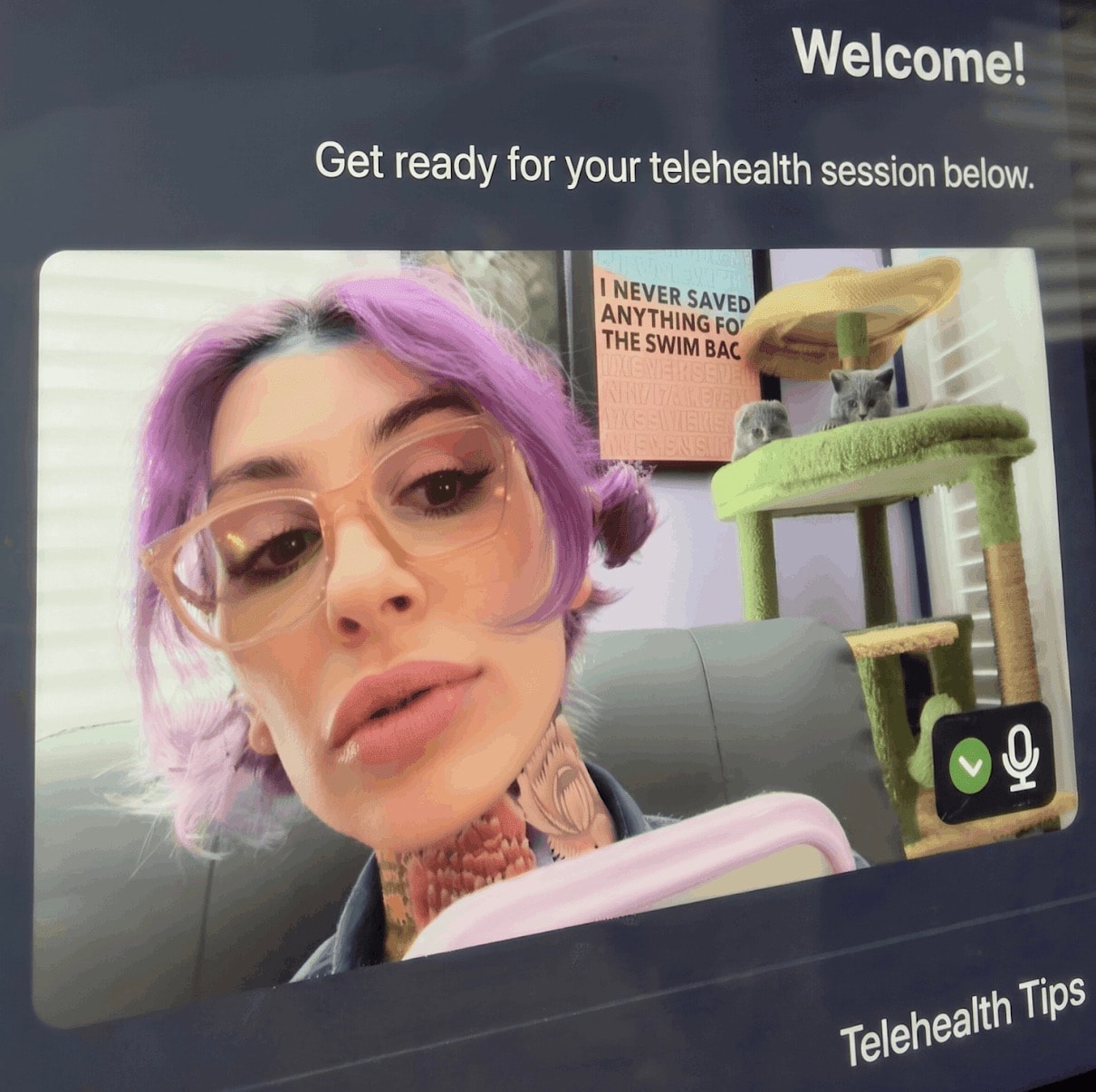 By Mx. Love C. Dialogos, LMFT · AAMFT Approved Supervisor
Illinois requires 3,000 hours of professional work experience for LMFT licensure, completed over no less than two years and no more than five. If you are working toward licensure in Illinois, you already know the path is long. This post is about making that length work for you.
It covers the Illinois requirements, what the path looks like in practice, and why a multi-year path makes choosing the right supervisor more important.
Illinois MFT Licensure: The Requirements
Pre-licensed title: MFT Intern
Total professional work experience: 3,000 hours
Clinical activities: at least 1,000 hours
Clinical supervision: at least 200 hours, with at least 100 of them individual
Time frame: at least 2 years and no more than 5 years
Licensing board: Illinois Department of Financial and Professional Regulation (IDFPR)
Board phone: (312) 814-4500
Board email: [email protected]
The experience requirement is set in the Illinois Administrative Code (68 Ill. Adm. Code 1283.15). The 3,000 hours begin after you receive your qualifying degree, and they must include 1,000 hours of clinical activities and 200 hours of clinical supervision. The two-year minimum means you cannot compress the path even if you accumulate hours quickly, because the time requirement is separate from the hour requirement. The five-year maximum means you also can't let it drift.
What 3,000 Hours Looks Like
Three thousand hours is about a year and a half of full-time work at 40 hours a week, so the two-year minimum usually sets the pace for full-time interns. Interns working part time, or splitting their week between clinical and non-clinical roles, often take three or four years.
Things to keep in mind as you plan:
Not all hours are the same kind of hour. IDFPR distinguishes clinical activities and clinical supervision within the 3,000 total. Know which of your hours fall into which category, and ask your supervisor to help you check this against the rules.
The two-year minimum is a floor. It exists because clinical development takes time, and the board built that time into the path on purpose.
Your supervision hours are part of the total. The 200 supervision hours sit inside the 3,000 and need to be documented separately. At least 100 must be individual supervision, which Illinois defines as no more than two supervisees with one supervisor. Group supervision allows up to six supervisees.
Why a Long Path Matters for Supervision
On a multi-year licensure path, you will spend a long time in supervision. That time is an opportunity.
Supervisors who serve Illinois MFT Interns well treat supervision as a developmental arc instead of a string of disconnected case consultations. Over two to five years, a good supervisor watches you grow from a clinician who is unsure of almost everything into one with a clinical identity of your own, grounded in theory and experience.
That development doesn't happen by accident. It happens in a relationship where your supervisor knows you well enough to track your growth and push you toward the edge of your competence in a way that helps rather than destabilizes.
For queer and trans MFT Interns in Illinois, this arc has another layer. Illinois has a large and diverse LGBTQ+ community, especially in Chicago. Clinical work with queer and trans clients is complex and often underserved by mainstream training. You need supervision that prepares you for that work and treats your identity as part of your clinical development.
The IDFPR and Illinois-Specific Requirements
IDFPR oversees MFT licensure in Illinois. A few Illinois-specific points:
Supervisor qualifications. IDFPR sets specific qualifications for who can provide clinical supervision (68 Ill. Adm. Code 1283.25). An AAMFT Approved Supervisor qualifies, as does a licensed MFT with at least five years of post-degree clinical experience, among others. Confirm that your supervisor meets the current requirements before you begin.
Documentation. Illinois has specific requirements for verifying experience and supervision. Your supervisor should know IDFPR's forms and be ready to complete them when you apply for full licensure.
Telehealth supervision. Illinois rules allow video supervision when sessions are live and allow verbal and visual interaction, and when they meet confidentiality requirements.
Making the Most of a Long Pre-Licensed Period
Here is what I have seen separate MFT Interns who reach licensure feeling prepared from those who reach it feeling relieved it's over.
Choose a supervisor you can be honest with. The longer the relationship, the more honesty matters. You need a supervisor you can bring your actual struggles to, like the sessions that went badly and the countertransference you aren't proud of. If you spend years performing competence instead of developing it, you'll arrive at licensure with hours and little growth.
Use the time to develop a clinical identity. The Illinois path is long enough to experiment with different theoretical approaches and populations, and to find out what kind of therapist you are becoming. Supervision is where that experimenting gets processed and integrated.
Track your hours from day one. Three thousand hours is a lot to document. Start a supervision log on your first day and keep it current. For guidance, see How to track your MFT supervision hours.
Working Together
I hold an active Illinois LMFT license and the AAMFT Approved Supervisor credential. I offer supervision entirely via telehealth, with your whole identity at the center of the supervisory relationship.
If you are an Illinois MFT Intern looking for supervision that takes your licensure requirements and your clinical development seriously, request a session.
For the full breakdown of Illinois requirements, see the Illinois supervision page.
Mx. Love C. Dialogos is an LMFT and AAMFT Approved Supervisor licensed in Illinois and twelve other states. Verify credential.
Explore Topics
Written by
Mx. Love C. Dialogos
Mx. Love C. Dialogos (they/them) is a queer, genderless womxn, Licensed Marriage & Family Therapist, and AAMFT Approved Supervisor offering queer-affirming clinical supervision for LMFT-Associates across 15 U.S. states via telehealth. They write about queer-affirming clinical practice, supervision, and the intersection of Buddhist Psychology and therapy.