
Can You Switch MFT Supervisors Mid-Licensure? What Associates Need to Know
Yes, you can switch supervisors mid-licensure, and sometimes you should. What happens to your existing hours, how to make a clean transition, and what to look for next.
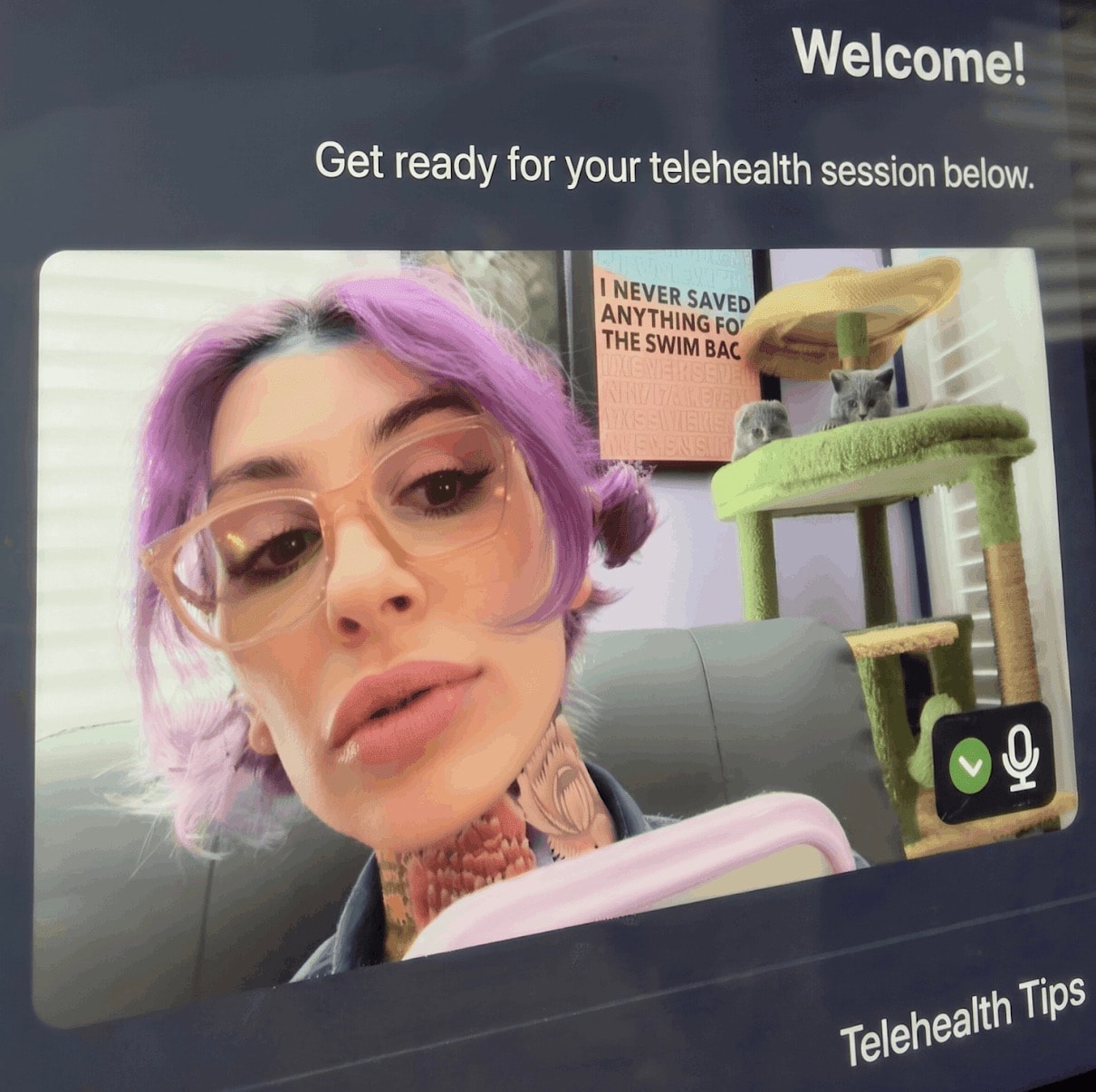 By Mx. Love C. Dialogos, LMFT · AAMFT Approved Supervisor
Yes. You can switch supervisors mid-licensure, and properly documented hours you have already earned don't disappear. Sometimes switching is the right clinical decision.
This post covers what happens to your hours when you switch, how to make the transition cleanly, and what to look for in your next supervisor so you don't end up in the same situation again.
What Happens to Your Existing Hours
Hours you completed with a previous supervisor count toward licensure as long as that supervisor was qualified and the hours were documented correctly. They are part of your record, not your supervisor's.
Switching doesn't reset your count. You keep accumulating from where you left off, and your total is the sum of hours completed with every qualified supervisor during your pre-licensed period.
When you switch, confirm a few things.
Your previous supervisor was qualified. Hours completed under a supervisor who didn't meet your board's requirements may not count. If you have any doubt, contact your licensing board before you invest more time.
Your documentation is complete. Before you end a supervisory relationship, bring your supervision log up to date and get your supervisor's sign-off on hours to date. Getting attestation after the fact can be hard, especially if things ended badly.
Your new supervisor meets your board's requirements. The same rules apply to your next supervisor. Confirm they hold an active license in your state and any other credential your board requires.
Reasons People Switch Supervisors
There are many legitimate reasons to switch, some practical and some about clinical fit.
The relationship isn't working. This is the most common reason, and it is valid. If you've given the relationship a fair chance, usually at least three to six months, and it still isn't working, switching is appropriate.
Your clinical needs have changed. You may have chosen a supervisor whose orientation or focus made sense at the start, then found your interests moving in another direction. That's a reasonable basis for a change.
The supervision isn't affirming. For queer and trans pre-licensed therapists, this matters a great deal. If you spend energy managing your supervisor's discomfort or hiding parts of your clinical identity, the problem goes to the core of the relationship and affects your development.
Your supervisor is no longer available or qualified. Supervisors retire, move, or become unavailable for reasons outside your control. If yours can no longer supervise, you need a new one.
You moved or changed jobs. A move to a new state or a new clinical setting may mean you need a supervisor licensed in that state or familiar with that setting.
How to Make the Transition Cleanly
Give appropriate notice. Your supervision contract should specify a notice period. Honor it. Even if the relationship was difficult, a professional ending protects you, since you may need your former supervisor to attest to your hours.
Get your documentation in order before you leave. Before your last session, make sure your log is complete and your supervisor has signed off on all hours to date. If your board requires it, ask for a letter confirming the dates of supervision and total hours.
Be honest with your new supervisor. You don't need to give a detailed account of why the last relationship ended. Your new supervisor will want to know where you are in your licensure timeline and what you're looking for. Being honest about what didn't work helps them understand what you need.
Contact your board with questions about your hours. If you're unsure whether earlier hours will count or how to document the change, ask your licensing board directly.
What to Look for in Your Next Supervisor
If you're switching because the last relationship wasn't working, get specific about what went wrong so you can look for something different.
Common reasons supervisees switch:
- Supervision felt evaluative rather than developmental
- The supervisor didn't understand their clinical context, including their identity
- Poor structure: inconsistent meetings, vague feedback, no clear developmental arc
- The supervisor didn't know their board's documentation requirements
- Honesty felt risky
For a full framework on evaluating supervisors, see How to choose a queer-affirming MFT supervisor.
Working Together
If you are mid-licensure and looking for a new supervisor, I offer a session request to talk through where you are and whether we might be a good fit.
I am licensed in Alaska, Arizona, Florida, Hawaii, Idaho, Illinois, Indiana, Michigan, New Mexico, New York, Ohio, Texas, and Wisconsin, and I offer supervision entirely via telehealth.
request a session and bring your hour totals. We'll figure out where you are and what you need to finish.
Mx. Love C. Dialogos is an LMFT and AAMFT Approved Supervisor licensed in thirteen states. Verify credential.
Explore Topics
Written by
Mx. Love C. Dialogos
Mx. Love C. Dialogos (they/them) is a queer, genderless womxn, Licensed Marriage & Family Therapist, and AAMFT Approved Supervisor offering queer-affirming clinical supervision for LMFT-Associates across 15 U.S. states via telehealth. They write about queer-affirming clinical practice, supervision, and the intersection of Buddhist Psychology and therapy.


