
Ethical Dilemmas in MFT Supervision: What to Do When You Are Not Sure
Ethical dilemmas in clinical practice are rarely clear-cut. How good supervision helps you work through them, and what to do when you are uncertain about the right course of action.
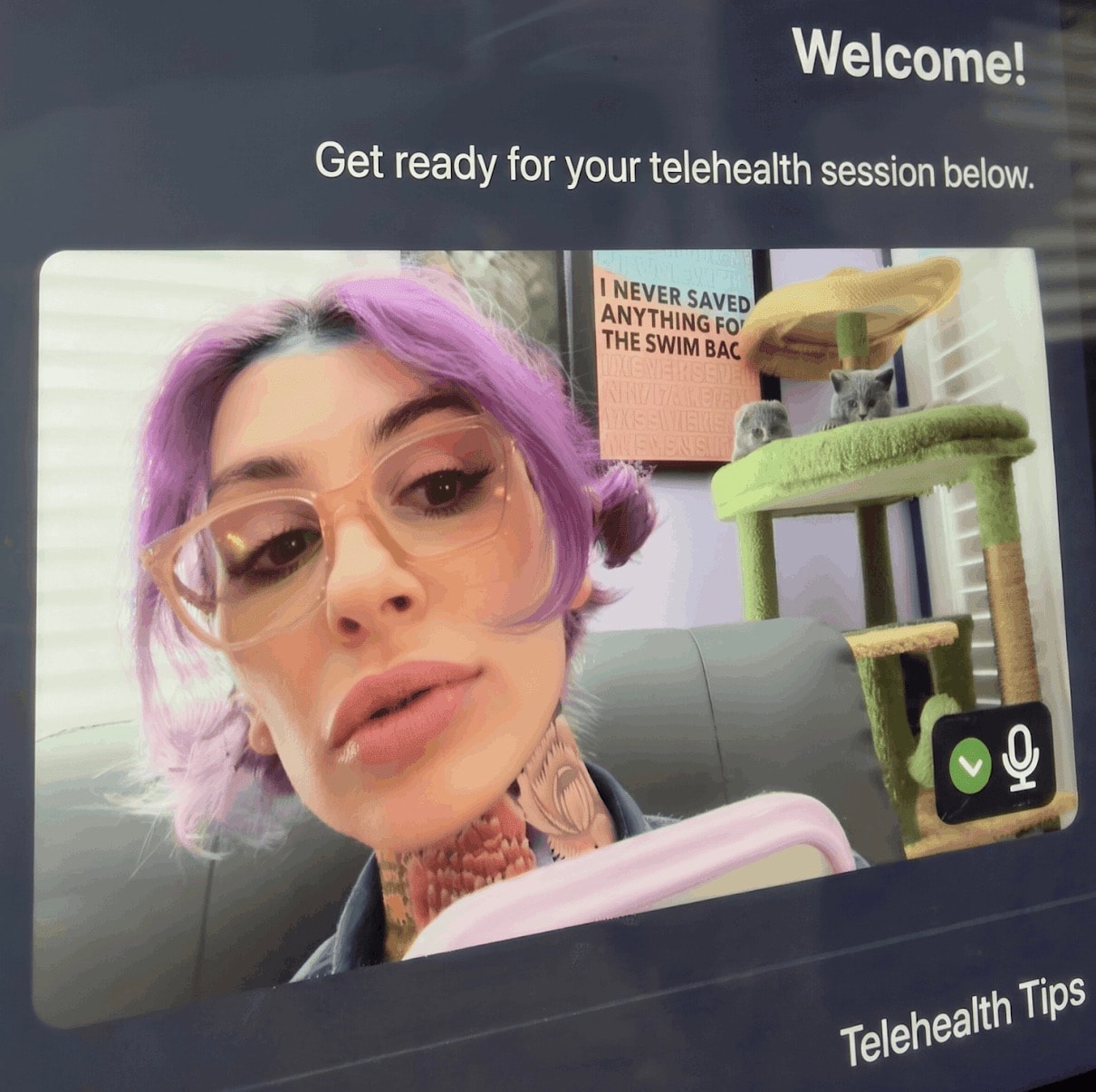 By Mx. Love C. Dialogos, LMFT · AAMFT Approved Supervisor
Many pre-licensed therapists are surprised by how often ethical questions come up in clinical practice, and how rarely those questions have clean answers.
Grad school teaches you the principles: beneficence, nonmaleficence, autonomy, justice, fidelity. It teaches you the AAMFT Code of Ethics and gives you frameworks for confidentiality, dual relationships, informed consent, and mandatory reporting. It cannot fully prepare you for sitting with a real client in a situation where the ethical path forward is unclear.
That is what supervision is for.
Why Ethical Dilemmas Are Inevitable
Ethical dilemmas come up because clinical practice involves human complexity that doesn't always fit the categories our ethical frameworks were built around. Carelessness and poor training are rarely the cause.
A client discloses something that might be a mandatory reporting situation, or might not. A client asks you to share information with a family member in a way that feels clinically appropriate and still raises confidentiality questions. A client's presenting concern involves someone who is not your client. A client's cultural context points toward a course of action that conflicts with mainstream clinical norms.
Running into these situations means you are doing real clinical work.
What Good Supervision Does With Ethical Uncertainty
It makes disclosure safe. Good supervision starts by making it safe to bring ethical dilemmas forward. A supervisee who is afraid to raise an uncertain situation, whether from fear of judgment or doubt about how they handled it, ends up handling those situations alone. That is dangerous for the client and for the clinician.
Good supervision makes clear from the start that bringing ethical uncertainty is a sign of clinical maturity.
It slows the decision down. Ethical dilemmas often feel urgent. The client is in the room or the situation is unfolding, and there is pressure to act. Good supervision helps you slow down, look at the situation from more than one angle, and weigh the interests of everyone involved. You get to think about what the ethical frameworks say instead of what your anxiety is telling you to do.
It separates ethical questions from legal ones. The two are related and not identical. What the law requires, mandatory reporting for example, and what is ethically best are sometimes the same and sometimes not. A supervisor who can help you think through both, and who knows when to consult a lawyer or an ethics board, is doing the full job.
It treats the AAMFT Code of Ethics as a framework. The Code is meant for thinking about professional responsibility, not for mechanical rule-following. Good supervision helps you understand the principles behind specific provisions and apply them to situations the Code doesn't explicitly address.
It addresses the ethics of working with marginalized clients. Clients who are LGBTQ+, in non-traditional relationships, or from communities historically harmed by mental health systems need more than the standard framework. Ethical care for them requires understanding how power and historical trauma shape what ethical practice looks like in a specific context.
A supervisor who can work with that complexity is doing ethically sophisticated work. That includes understanding, for example, the considerations that come up with trans clients in a hostile political climate, or with polyamorous clients dealing with systems that do not recognize their relationship structures.
Common Ethical Dilemmas in Pre-Licensed Practice
Mandatory reporting uncertainty. The most common dilemma pre-licensed therapists bring to supervision is whether a disclosure meets the threshold for a report. These situations call for careful attention to your state's legal standard and the specific facts, and for consultation with your supervisor before you act.
Dual relationship questions. In small communities, LGBTQ+ communities included, you are more likely to meet clients you have some prior connection to. Dual relationship questions call for careful thought about the nature of the prior relationship and the potential for harm, and about whether the therapeutic relationship can hold appropriate boundaries.
Confidentiality and family systems. MFT practice often involves several family members, which creates its own confidentiality questions. Who is the client? What can be shared with whom? What happens when one family member's disclosure implicates another? These questions need ethical analysis and clinical judgment together.
Scope of practice questions. Pre-licensed therapists sometimes meet clinical presentations at the edge of their training. Knowing when to refer, consult, or seek more training is an ethical question as much as a clinical one.
How to Bring Ethical Dilemmas to Supervision
It helps to come prepared:
- Describe the situation clearly and specifically
- Identify what makes it uncertain: which values or principles are in tension
- Share what you have already considered and what you are leaning toward
- Ask for what you need, whether that is help with the ethical analysis, the clinical implications, or your state's legal requirements
Your supervisor's job is to think it through with you, drawing on their experience, so you can make a decision you can stand behind. Being told what to do is not the goal.
Working Together
Ethical consultation is a core part of my supervision practice. I work with pre-licensed MFTs who want supervision that treats ethical complexity as part of clinical development rather than a compliance exercise.
I am licensed in Alaska, Arizona, Florida, Hawaii, Idaho, Illinois, Indiana, Michigan, New Mexico, New York, Ohio, Texas, and Wisconsin. request a session to talk about whether we might be a good fit.
Mx. Love C. Dialogos is an LMFT and AAMFT Approved Supervisor. The AAMFT Code of Ethics is the primary ethical framework for MFT practice and supervision.
Explore Topics
Written by
Mx. Love C. Dialogos
Mx. Love C. Dialogos (they/them) is a queer, genderless womxn, Licensed Marriage & Family Therapist, and AAMFT Approved Supervisor offering queer-affirming clinical supervision for LMFT-Associates across 15 U.S. states via telehealth. They write about queer-affirming clinical practice, supervision, and the intersection of Buddhist Psychology and therapy.


