
Supervision for Therapists Who Work With Trans Clients: What Affirming Means Clinically
Affirming supervision for therapists who work with trans clients goes well past correct pronouns. It takes a supervisor who understands the clinical complexity of trans experience.
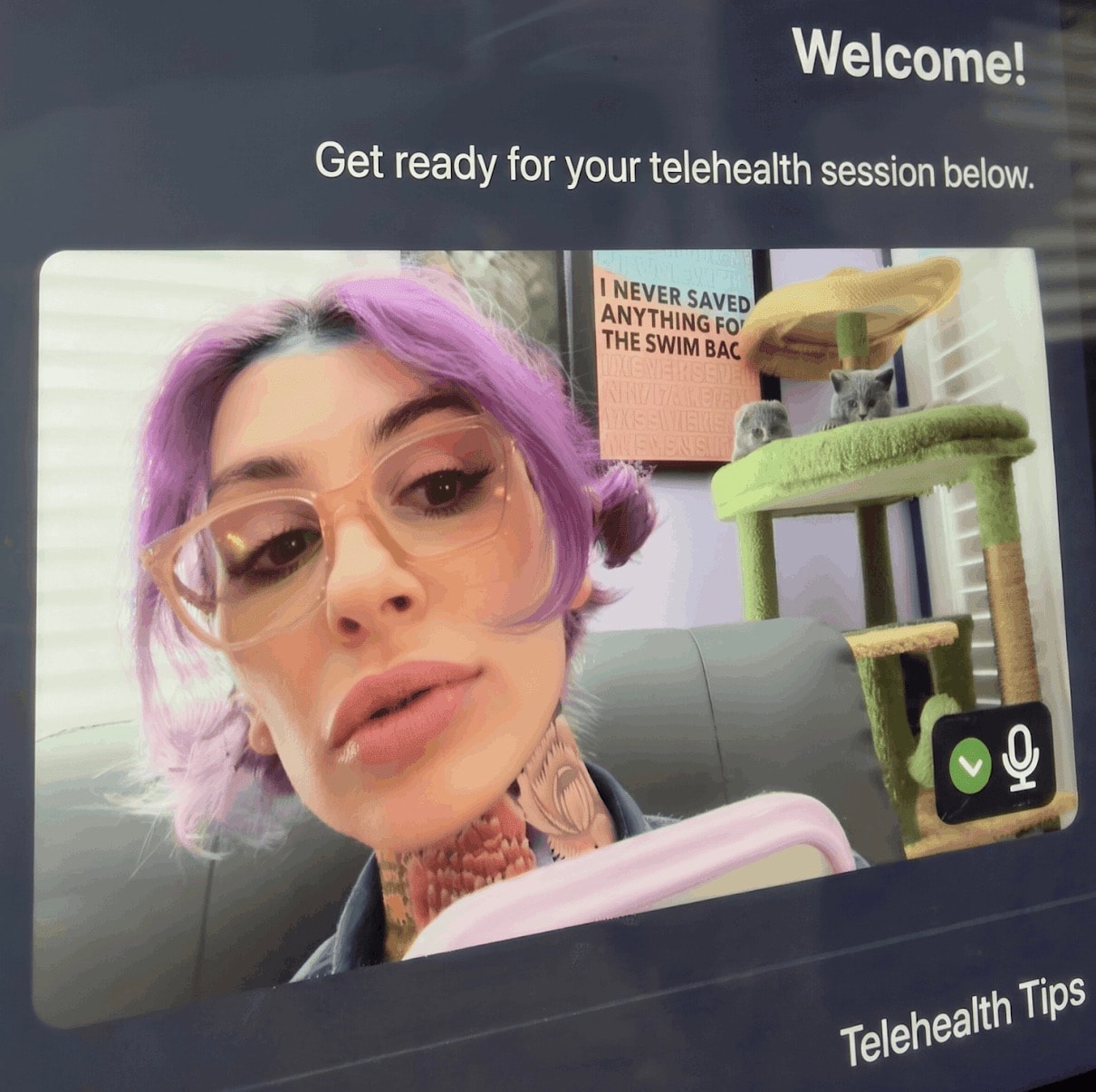 By Mx. Love C. Dialogos, LMFT · AAMFT Approved Supervisor
"Trans affirming" has become common enough in clinical settings that it risks losing its meaning. As often used, it has come to mean "not actively harmful": using correct pronouns and not trying to talk clients out of who they are.
That is the floor.
For therapists who work with trans clients, affirming supervision means something more specific and more demanding. It means a supervisor who understands the clinical complexity of trans experience, including how trans clients present in therapy and how the current political climate shapes what they bring into the room.
This post is about what that looks like.
What Trans Clients Bring to Therapy
Trans clients come to therapy for the same reasons anyone does: depression, anxiety, relationship difficulties, grief, trauma. Trans identity is a context, not a presenting problem.
That context shapes a great deal. Trans clients live in a world that often misunderstands them or actively threatens them. Many carry the cumulative effects of minority stress, the chronic stress of living in a society that doesn't fully affirm their existence. They may be dealing with family relationships complicated by transition, or with the loss of relationships that didn't survive it. They may face medical systems that are inconsistent or hostile.
Many are also remarkably resilient. Trans clients have often built strong community ties and a clarity about their identity that many cisgender clients never reach. That resilience is a clinical resource.
A supervisor who understands this context can help you hold both the weight trans clients carry and the strengths they bring. A supervisor who doesn't will tend to focus on pathology and miss the resilience, or focus so hard on affirmation that the clinical complexity gets missed.
What Affirming Supervision Looks Like
It doesn't make you translate. If you have to explain to your supervisor what deadnaming is or why misgendering is harmful, you are doing extra labor to be understood, and that labor takes time away from clinical consultation.
It engages the clinical complexity. Affirming supervision goes past "use correct pronouns and validate the client's identity." It takes up questions like: How does this client's experience of gender relate to their presenting concerns? What does their relationship to their body tell us about their history? How is minority stress showing up in their symptoms? What does their chosen family mean for how we understand their support system?
It addresses the political and social context directly. Trans clients are living through a period of intense political hostility toward trans people, and that is part of the clinical work. A supervisor who can help you think about how the climate affects your trans clients, and how to hold it in the room without minimizing it or being flooded by it, is doing clinically relevant work.
It helps you manage your own reactions. Working with trans clients right now can bring up strong reactions in clinicians, like grief and anger. Those reactions are clinical information. A supervisor who helps you process your countertransference in this specific context, instead of treating it as generic countertransference, understands the work.
It doesn't assume your experience mirrors your client's. Trans clinicians working with trans clients bring a particular attunement. They also carry a risk of projection, assuming their own experience of trans identity maps onto the client's. A good supervisor helps trans clinicians hold both the gift and the risk of that identification.
What to Look for in a Supervisor
If you work with trans clients, or want to, here is what to evaluate in a prospective supervisor.
Familiarity with trans-specific clinical presentations. Can they speak to how minority stress shows up clinically? Do they understand family rejection and chosen family formation, and how trans identity intersects with other marginalized identities?
Comfort with the political context. Can they treat the current climate as a clinical reality instead of background? Do they understand how legislative hostility toward trans people affects what clients bring to therapy?
Experience supervising clinicians who do this work. Experience with trans clients is different from experience helping other clinicians work with trans clients. Supervision is its own skill.
A relationship where you can be honest. If you are a trans clinician, you need a supervisor who sees your identity as a clinical asset. If you are a cisgender clinician, you need a supervisor who helps you build real competence instead of reassuring you that you're doing fine.
For a broader framework on evaluating supervisors, see How to choose a queer-affirming MFT supervisor.
Working Together
My supervision practice rests on the belief that identity-affirming and clinically rigorous work are the same work. I supervise pre-licensed MFTs who work with trans and queer clients, and with clients whose identities and relationships don't fit mainstream clinical frameworks.
I am licensed in Alaska, Arizona, Florida, Hawaii, Idaho, Illinois, Indiana, Michigan, New Mexico, New York, Ohio, Texas, and Wisconsin. request a session to talk about whether we might be a good fit.
Mx. Love C. Dialogos is an LMFT and AAMFT Approved Supervisor offering queer-affirming clinical supervision via telehealth.
Explore Topics
Written by
Mx. Love C. Dialogos
Mx. Love C. Dialogos (they/them) is a queer, genderless womxn, Licensed Marriage & Family Therapist, and AAMFT Approved Supervisor offering queer-affirming clinical supervision for LMFT-Associates across 15 U.S. states via telehealth. They write about queer-affirming clinical practice, supervision, and the intersection of Buddhist Psychology and therapy.


