
Countertransference and Queer Clients: What Supervision Should Be Helping You With
Countertransference with queer clients is clinical information to understand, not a problem to eliminate. Here is what good supervision does with it.
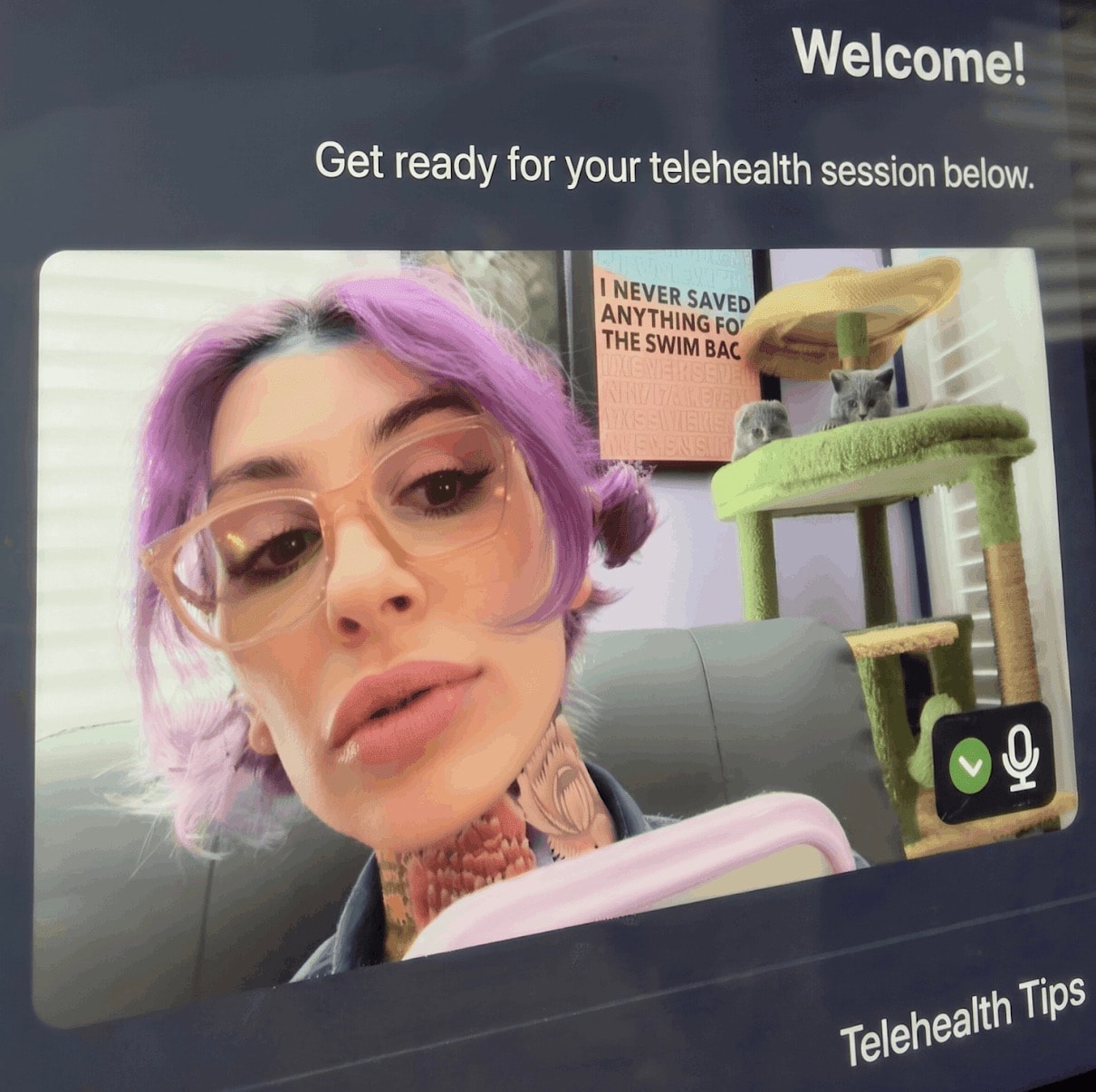 By Mx. Love C. Dialogos, LMFT · AAMFT Approved Supervisor
Grad school tends to present countertransference as something to manage: a reaction to contain, or a sign you have not done enough of your own work. That framing is incomplete, and with queer clients it misses something important.
Countertransference with queer clients is clinical information. It tells you something about the client and the dynamics in the room, and something about you as a clinician. The aim is to understand it well enough to use it.
That is what supervision should be helping you with. Here is what that looks like.
What Countertransference Looks Like With Queer Clients
Countertransference with queer clients takes many forms, and some of them are easy to miss.
For queer clinicians working with queer clients, the most common countertransference is identification, the pull toward a client whose experience mirrors your own. You recognize the grief of coming out to a family that did not respond well. You know the loneliness of being queer in a straight-dominated profession.
That identification can be a source of deep attunement. It can also become projection, where you assume you understand a client's experience because it resembles yours, when their experience is its own.
For straight or cisgender clinicians working with queer clients, countertransference often shows up as anxiety: fear of saying the wrong thing or of causing harm without meaning to. That anxiety is a reasonable response to work where the stakes are real.
Anxiety that goes unprocessed in supervision tends to show up in the therapy room as over-caution. The clinician steers away from the client's queer identity and ends up avoiding the material the client most needs to explore.
For all clinicians, a specific form of countertransference appears when a client's queer experience activates something unresolved in the clinician's own relationship to identity or family. This is not limited to queer clinicians. Straight clinicians can react strongly to clients whose chosen family challenges their assumptions about what family means. Cisgender clinicians can react strongly to clients whose gender experience unsettles their own sense of gender.
What Supervision Should Do With It
Good supervision starts by naming countertransference without pathologizing it. Having it doesn't make you a bad therapist. It means you are a person doing intimate work with other people. The goal is to understand it well enough that it informs your work instead of distorting it.
Good supervision makes disclosure safe. You cannot process countertransference you are unwilling to name. A supervisor who meets disclosure with judgment, even subtle judgment, teaches supervisees to hide their reactions. Good supervision makes it safe to say "I noticed I felt protective of this client in a way that might not have been about them" or "I think I avoided asking about their parents because it activated something in me."
Good supervision distinguishes between kinds of countertransference. Some countertransference is mostly about the clinician's unresolved material, and that belongs in the clinician's own therapy. Some is mostly a response to the client's material, and that is clinical information that belongs in supervision. A good supervisor helps you tell the difference.
Good supervision uses countertransference to deepen case conceptualization. A strong reaction to a client is data. What is the client communicating? What might the client be evoking in other people in their life? A supervisor who helps you move from "I had this reaction" to "here is what it might mean clinically" is using countertransference well.
Good supervision with queer clients addresses the clinical context directly. A supervisor who doesn't understand queer experience clinically, including the specific forms of grief and the ways minority stress shows up in the therapy room, cannot help you understand your countertransference in that context. A supervisor who treats queer clients as interchangeable with any other clients will miss the most clinically important material.
The Parallel Process Dimension
Countertransference and parallel process are related and distinct. Parallel process is the way dynamics from the therapy room show up in the supervision room, and the reverse. When you bring a case to supervision, you often recreate something of the relationship with your client in how you present the case.
With queer clients, parallel process can be especially revealing. A client who has learned to hide parts of themselves may evoke a supervisee who presents their work in a way that hides their uncertainty. A client whose family does not see them may evoke a supervisee who performs competence for a supervisor they aren't sure will accept their struggles.
A supervisor who is attuned to parallel process, and who knows how it tends to appear with queer clients, can use what happens in supervision to shed light on what is happening in therapy. It is one of the most useful things supervision can do.
What This Means for Choosing a Supervisor
If you work with queer clients, or want to, your supervisor needs to understand that clinical world well enough to help you process your countertransference in context. Tolerance is not enough. You need a supervisor who is familiar with queer experience and with how identity dynamics show up in therapy and in supervision.
For more on what to look for, see How to choose a queer-affirming MFT supervisor.
Working Together
My supervision is built on the belief that countertransference is clinical information, and that processing it well requires a supervisory relationship where you can be fully honest about your reactions. I work with pre-licensed MFTs who want supervision that takes their clinical development and their whole identity seriously.
I am licensed in Alaska, Arizona, Florida, Hawaii, Idaho, Illinois, Indiana, Michigan, New Mexico, New York, Ohio, Texas, and Wisconsin. request a session to talk about whether we might be a good fit.
Mx. Love C. Dialogos is an LMFT and AAMFT Approved Supervisor offering queer-affirming clinical supervision via telehealth.
Explore Topics
Written by
Mx. Love C. Dialogos
Mx. Love C. Dialogos (they/them) is a queer, genderless womxn, Licensed Marriage & Family Therapist, and AAMFT Approved Supervisor offering queer-affirming clinical supervision for LMFT-Associates across 15 U.S. states via telehealth. They write about queer-affirming clinical practice, supervision, and the intersection of Buddhist Psychology and therapy.


